In Michigan, the concept of dumpster rental has become increasingly vital for both residents and businesses alike. As urban development continues to rise and home renovation projects gain popularity, the need for efficient waste management solutions has never been more pressing. Whether you are a homeowner tackling a spring cleaning project, a contractor managing a construction site, or a business owner looking to dispose of excess inventory, understanding the ins and outs of dumpster rental is essential.Renting a dumpster not only simplifies the process of waste disposal but also ensures that you comply with local regulations. In Michigan, various municipalities have specific guidelines regarding dumpster permits, which can vary significantly from one location to another.
This means that what may be permissible in one city could require additional permissions in another. Therefore, it is crucial to familiarize yourself with the local laws governing waste management in your area to avoid potential fines or legal issues.Moreover, dumpster rental services offer a range of sizes and types to accommodate different needs, from small residential cleanouts to large commercial projects. Understanding these options can help you choose the right dumpster for your specific requirements, ensuring that you have adequate space for your waste while also adhering to any size restrictions imposed by local regulations. As we delve deeper into this topic, we will explore the various aspects of dumpster permits in Michigan, providing you with the knowledge needed to navigate this essential service effectively.
What is a Dumpster Permit?
A dumpster permit is an official authorization required by local municipalities for the placement and use of a dumpster on public or private property.This permit ensures that the use of dumpsters complies with local zoning laws, safety regulations, and waste management practices. While the specific requirements for obtaining a dumpster permit can vary significantly from one locality to another, the underlying purpose remains consistent: to manage waste disposal effectively while minimizing disruption to the community.Understanding the importance of dumpster permits is crucial for both residential and commercial projects. Here are several key reasons why obtaining a dumpster permit is essential:
- Compliance with Local Regulations: Many cities and towns have specific regulations governing where and how dumpsters can be placed. A permit ensures that you are following these rules, which can help avoid fines or legal issues.
- Safety Considerations: Proper placement of dumpsters is vital for safety.
Permits often require that dumpsters be located in areas that do not obstruct traffic, pedestrian pathways, or emergency access routes.
- Environmental Protection: Dumpster permits often come with guidelines on how to dispose of waste responsibly. This helps prevent illegal dumping and promotes recycling and proper waste management practices.
- Community Aesthetics: By regulating dumpster placement, municipalities aim to maintain the visual appeal of neighborhoods. Permits help ensure that dumpsters are not left in public view longer than necessary.
Why You Might Need a Dumpster Permit in Michigan
In Michigan, the need for a dumpster permit can arise from various situations, particularly when engaging in activities that generate significant waste.Understanding when a permit is necessary can help you avoid potential fines and ensure compliance with local regulations.
Construction Projects
One of the most common scenarios requiring a dumpster permit is during construction or renovation projects. Whether you are building a new home, remodeling a kitchen, or adding an extension, these activities often produce large amounts of debris. Local municipalities typically require permits to manage the placement of dumpsters on public property or streets to ensure safety and accessibility.
Large Cleanouts
Another situation where a dumpster permit may be necessary is during large cleanouts. This could include clearing out an estate, decluttering a home, or cleaning up after a major event.
If the volume of waste exceeds what can be disposed of through regular trash collection services, obtaining a permit for a dumpster rental becomes essential.
Commercial Activities
Businesses engaging in extensive renovations or large-scale operations may also need to secure a dumpster permit. This is particularly true for retail spaces undergoing significant changes or warehouses clearing out old inventory. Local regulations often dictate the need for permits to ensure that waste disposal does not disrupt public areas.
Local Regulations
Each municipality in Michigan has its own set of regulations regarding dumpster permits. It’s crucial to check with your local city or county office to understand specific requirements.
Some areas may have restrictions on the size and type of dumpsters allowed, as well as guidelines on how long they can remain on-site.
When in Doubt, Ask
If you are uncertain whether your project requires a dumpster permit, it’s always best to consult with local authorities. They can provide guidance tailored to your specific situation and help you navigate the permitting process smoothly.In summary, understanding when you might need a dumpster permit in Michigan is vital for anyone planning significant waste disposal activities. From construction projects to large cleanouts and commercial renovations, being informed about local regulations will help ensure that your waste management efforts are compliant and efficient.
Types of Dumpster Permits in Michigan
When it comes to dumpster rental in Michigan, understanding the various types of permits is crucial for both residential and commercial projects. Each type of permit serves a specific purpose and comes with its own set of requirements, ensuring that waste management practices comply with local regulations.Residential Dumpster Permits
- General Use Permits: These permits are typically required for homeowners who need a dumpster for home renovation, landscaping, or large cleanouts.
The application process usually involves submitting a form to the local municipality, detailing the project and the expected duration of the dumpster rental.
- Temporary Use Permits: For short-term projects, such as seasonal cleanups or minor repairs, a temporary use permit may be sufficient. This type of permit often has a quicker approval process and is designed for projects that last less than a month.
- Special Event Permits: If you are hosting a large event that will generate significant waste, such as a community festival or wedding, you may need a special event permit. This ensures that adequate waste disposal measures are in place during the event.
Commercial Dumpster Permits
- Construction Permits: Businesses involved in construction or demolition projects must obtain specific permits that align with state and local regulations. These permits often require detailed plans outlining how waste will be managed and disposed of during the project.
- Business Operation Permits: Commercial establishments, such as restaurants or retail stores, may need ongoing permits for regular dumpster use.
These permits ensure that businesses manage their waste responsibly and comply with health and safety standards.
- Industrial Waste Permits: For industries generating hazardous or specialized waste, additional permits may be necessary. These permits are more stringent and require compliance with environmental regulations to protect public health.
How to Obtain a Dumpster Permit in Michigan
Obtaining a dumpster permit in Michigan is a crucial step for anyone looking to rent a dumpster for construction, renovation, or large clean-up projects. The process may vary slightly depending on the municipality, but generally follows a similar framework.Here’s a detailed guide to help you navigate the application process smoothly.
1.Determine the Need for a Permit
Before you begin the application process, it’s essential to confirm whether your specific project requires a dumpster permit. In many cases, local regulations dictate when a permit is necessary. For instance, if you plan to place a dumpster on public property or in a location that obstructs traffic, you will likely need a permit.
2.Gather Required Documentation
To apply for a dumpster permit, you will typically need to provide several documents:
- Completed Application Form: Most municipalities have a specific form that must be filled out. This form usually requests details about the project and the intended location of the dumpster.
- Site Plan: A simple diagram showing where the dumpster will be placed can help officials assess any potential issues with placement.
- Proof of Insurance: Some areas may require proof of liability insurance to cover any damages that might occur during the rental period.
- Payment of Fees: Be prepared to pay any associated fees when submitting your application.
These fees can vary widely depending on your location and the duration of the permit.
3.Submit Your Application
Once you have all your documents ready, submit your application to the appropriate local authority. This could be your city’s engineering department, zoning board, or another relevant office. Make sure to keep copies of everything you submit for your records.
4.Wait for Approval
The approval process can take anywhere from a few days to several weeks, depending on the municipality and the complexity of your project. During this time, officials may review your application and site plan to ensure compliance with local regulations.
5.Follow Up
If you haven’t received feedback within the expected timeframe, don’t hesitate to follow up with the local office.
This can help expedite the process and ensure that your application is being processed.
6.Comply with Permit Conditions
If your permit is approved, make sure to adhere to any conditions outlined in it. This may include restrictions on placement, duration of use, and requirements for maintaining safety around the dumpster.By following these steps and ensuring that you have all necessary documentation ready, you can streamline the process of obtaining a dumpster permit in Michigan and focus on completing your project efficiently.
Local Regulations: City-Specific Requirements for Dumpster Permits
When it comes to dumpster rental in Michigan, understanding local regulations is crucial, as requirements can vary significantly from one city to another. Each municipality has its own set of rules governing the use of dumpsters, which can affect everything from the size of the dumpster you can rent to the permits required for placement on public property.Detroit
, the largest city in Michigan, has specific regulations regarding dumpster rentals. In Detroit, a permit is typically required if you plan to place a dumpster on a public street or sidewalk.
The application process involves submitting a request to the city’s Department of Public Works, along with a fee. Additionally, dumpsters must be placed in a manner that does not obstruct traffic or pedestrian pathways. It’s also important to note that certain neighborhoods may have additional restrictions based on local zoning laws.
Grand Rapids
also has its own set of guidelines for dumpster rentals. In this city, residents and contractors must obtain a permit for any dumpster placed on public property.
The Grand Rapids city website provides detailed information about the application process, including necessary documentation and fees. Furthermore, dumpsters must be removed promptly after use to avoid fines and ensure compliance with local ordinances.In Wyandotte , as mentioned previously, residents have access to rolling containers for waste disposal. However, if you are considering a larger dumpster rental for construction or renovation projects, it’s essential to check with the Department of Engineering and Construction for any additional permits that may be required. This is particularly important for projects that may impact traffic or require street closures.Other cities in Michigan may have similar requirements, so it’s advisable to research local regulations before renting a dumpster. , as mentioned previously, residents have access to rolling containers for waste disposal. However, if you are considering a larger dumpster rental for construction or renovation projects, it’s essential to check with the Department of Engineering and Construction for any additional permits that may be required. This is particularly important for projects that may impact traffic or require street closures.Other cities in Michigan may have similar requirements, so it’s advisable to research local regulations before renting a dumpster.
Always check with your city’s municipal office or website for the most accurate and up-to-date information regarding dumpster rental permits and regulations.
Common Misconceptions About Dumpster Permits
When it comes to dumpster rental, many individuals and businesses harbor misconceptions that can lead to confusion and hesitation. Understanding the truth behind these myths is essential for making informed decisions about waste management.Myth 1: You Always Need a Permit for a Dumpster Rental
One of the most prevalent misconceptions is that a permit is always required when renting a dumpster. While it’s true that some municipalities in Michigan do require permits, this is not a universal rule. The necessity for a permit often depends on the location of the dumpster placement.
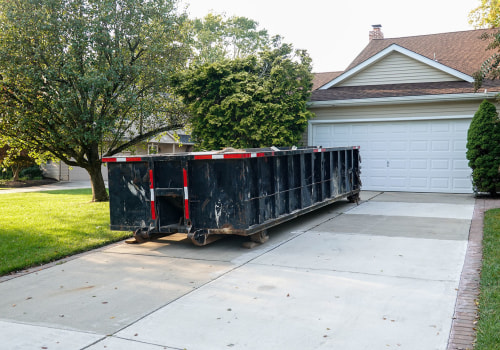
For instance, if the dumpster is placed on private property, such as a driveway or yard, a permit may not be necessary. However, if it’s placed on public property, like a street or sidewalk, obtaining a permit is typically required.
Myth 2: All Dumpster Rentals Are the Same
Another common myth is that all dumpster rentals offer the same services and pricing structures. In reality, dumpster rental companies vary significantly in terms of size options, rental durations, and included services. Some companies may offer additional features such as same-day delivery or flexible pick-up schedules, while others may have strict policies that could affect your project timeline.
It’s crucial to compare different providers to find one that meets your specific needs.
Myth 3: Renting a Dumpster Is Too Expensive
Many people believe that renting a dumpster is prohibitively expensive. However, when you consider the costs associated with alternative waste disposal methods—such as multiple trips to the landfill or potential fines for improper disposal—dumpster rental can actually be a cost-effective solution. Additionally, many companies offer competitive pricing and various sizes to accommodate different budgets.
Myth 4: You Can Dispose of Anything in a Dumpster
Some individuals think they can throw anything into a rented dumpster without consequence. This is far from the truth.
There are strict regulations regarding what can and cannot be disposed of in dumpsters, including hazardous materials like chemicals, batteries, and certain electronics. Violating these regulations can lead to hefty fines and legal issues. Always check with your rental company for guidelines on acceptable waste.By debunking these common myths about dumpster permits and rentals, individuals can approach their waste management needs with greater confidence and clarity. Understanding the facts versus fiction not only helps in making informed decisions but also ensures compliance with local regulations.
Frequently Asked Questions About Dumpster Permits in Michigan
When it comes to dumpster rental in Michigan, many individuals and businesses have questions regarding the necessary permits and regulations.Below are some of the most frequently asked questions that can help clarify the process and requirements.
Do I need a permit to rent a dumpster in Michigan?
In most cases, you do not need a state-issued permit to rent a dumpster in Michigan. However, local municipalities may have their own regulations that require permits for placing dumpsters on public property or streets. It is essential to check with your local city or township office to determine if a permit is necessary for your specific location.What types of projects typically require a dumpster permit?
Permits are often required for larger projects that involve significant waste generation, such as:- Home renovations or remodels
- Construction projects
- Landscaping overhauls
- Commercial cleanouts
How do I apply for a dumpster permit?
The application process for a dumpster permit varies by municipality. Generally, you will need to:- Contact your local city or township office.
- Fill out an application form, which may be available online or in person.
- Provide details about the project and the location where the dumpster will be placed.
- Pay any associated fees.
What are the consequences of not obtaining a dumpster permit?
Failing to obtain the necessary permits can lead to fines, penalties, or even the removal of your dumpster by local authorities.Additionally, it may delay your project and create unnecessary complications. Therefore, it is always best to ensure that you are compliant with local regulations before proceeding with your dumpster rental.
Can I place a dumpster on my property without a permit?
If you are placing a dumpster on private property, such as your driveway or yard, you typically do not need a permit. However, it’s wise to check with your local regulations to confirm that there are no restrictions regarding placement on private land.By understanding these common questions about dumpster permits, you can navigate the rental process more effectively and ensure compliance with Michigan's waste management regulations.Conclusion: Navigating the Dumpster Permit Process in Michigan
In conclusion, navigating the dumpster permit process in Michigan is a crucial step for anyone looking to engage in effective waste management, whether for residential or commercial purposes. Understanding the local regulations and requirements can save you time, money, and potential legal issues down the line.Throughout this article, we have highlighted several key points that are essential for successfully obtaining a dumpster permit:- Local Regulations Vary: Each municipality in Michigan may have its own set of rules regarding dumpster rentals.
It is vital to check with your local government to understand specific requirements.
- Types of Permits: Depending on the nature of your project, you may need different types of permits. For instance, construction projects often require more stringent regulations compared to residential cleanouts.
- Application Process: The application process can vary significantly. Some areas may allow for online submissions, while others may require in-person visits. Be prepared to provide detailed information about your project and the intended use of the dumpster.
- Fees and Duration: Permit fees can differ based on location and project scope.
Additionally, understanding how long your permit is valid will help you plan your waste disposal effectively.
- Compliance with Local Codes: Ensuring that your dumpster placement complies with local zoning laws and safety codes is essential. This not only helps avoid fines but also promotes community safety.